

At the finish line of an Ironman, marathon or any big endurance race, many athletes make the same promise: I am never doing this again. And at that moment, they mean it. Their legs are heavy, their stomach may be unsettled, their minds are foggy, and every part of their body is asking for rest. The medal around their neck feels meaningful, but so does the thought of never having to train, taper, race, or suffer like that again.
Then something strange happens. A few days have passed. The soreness starts to fade. Sleep improves. The athlete tells the race story a few more times, looks back at the photos, laughs about the hard parts, and begins to feel the pride settle in. What felt impossible at mile 24 or hour 12 begins to feel less like a warning and more like a memory. Before long, the same person who swore they were finished is opening a race calendar and wondering what might be next.
The Finish Line Is Emotional Whiplash
Endurance racing asks athletes to live in two realities at once. On one hand, finishing is a victory. It represents months of early mornings, long weekends, discipline, sacrifice, and belief. On the other hand, the body has just been pushed to a place it rarely goes. The athlete is depleted physically and emotionally. Relief, joy, pain, pride, disappointment, hunger, and exhaustion can all arrive at the same time.
That is why the first instinct can be so dramatic. “Never again” is not always a final decision. Sometimes it is simply the body speaking before the heart and mind have had time to catch up. After a big race, the nervous system is tired, the muscles are damaged, fuel stores are low, and the normal rhythm of training has abruptly stopped. It makes sense that the immediate reaction is not always excitement. Sometimes it is survival.
The “Never Again” Phase
In the hours after a race, athletes are often at their most honest and their least objective. They remember the cramps, the heat, the doubt, the moments they wanted to quit, and the section of the course that seemed to go on forever. The finish line does not erase those moments instantly. In fact, the finish line can make them feel even sharper because the athlete finally has permission to stop holding everything together.
This is the phase where the athlete says things like, “I’m done,” “That was awful,” or “I don’t need to prove anything else.” Those statements are part of the release. They are a way of closing the loop on an experience that required total focus for weeks or months. For a little while, the idea of signing up for another race feels ridiculous. Rest feels like the only reasonable goal.
Then Recovery Changes the Story
After a few days, the story begins to shift. The body starts repairing itself. The athlete eats real meals, sleeps deeper, moves a little more easily, and gets enough distance from the hardest moments to see the whole experience more clearly. The race is no longer only about suffering. It becomes about problem-solving, resilience, courage, community, and the incredible feeling of doing something difficult and seeing it through.
This is also when pride grows. The athlete remembers the training days they did not skip, the people who encouraged them, the miles they completed when no one was watching, and the moment they crossed the finish line. The pain becomes part of the story, but it is no longer the whole story. With recovery comes perspective and pride that the belief they had in themselves is now a reality.
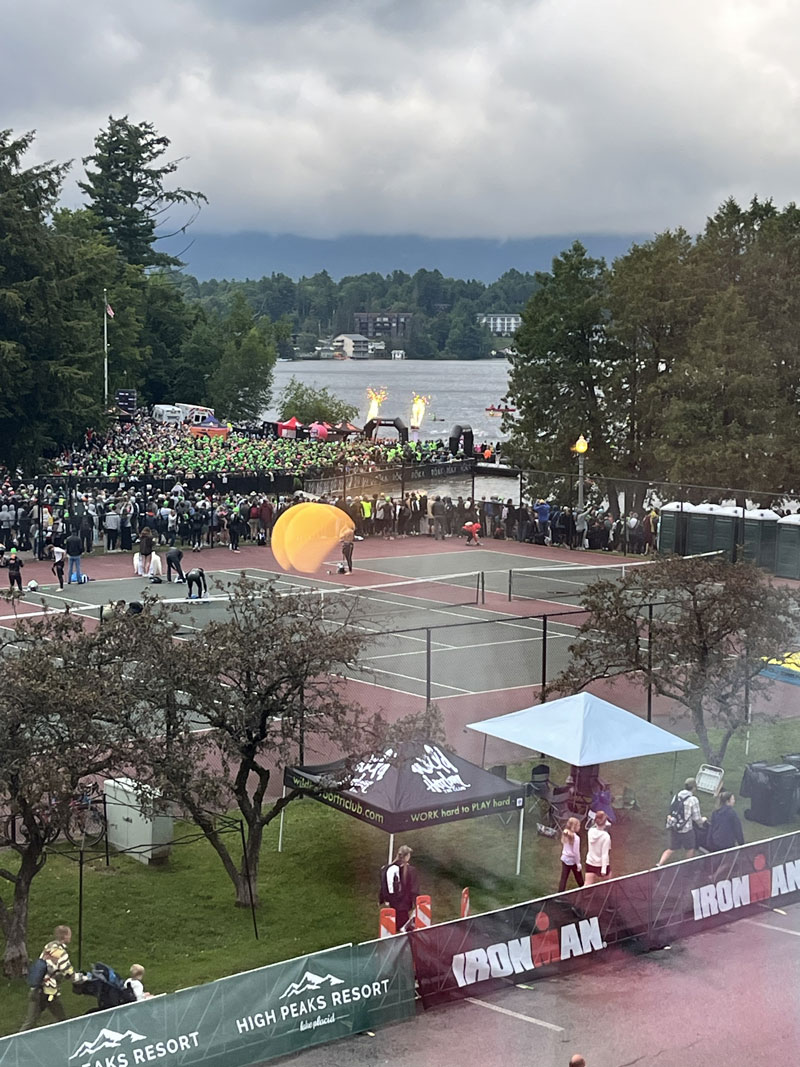
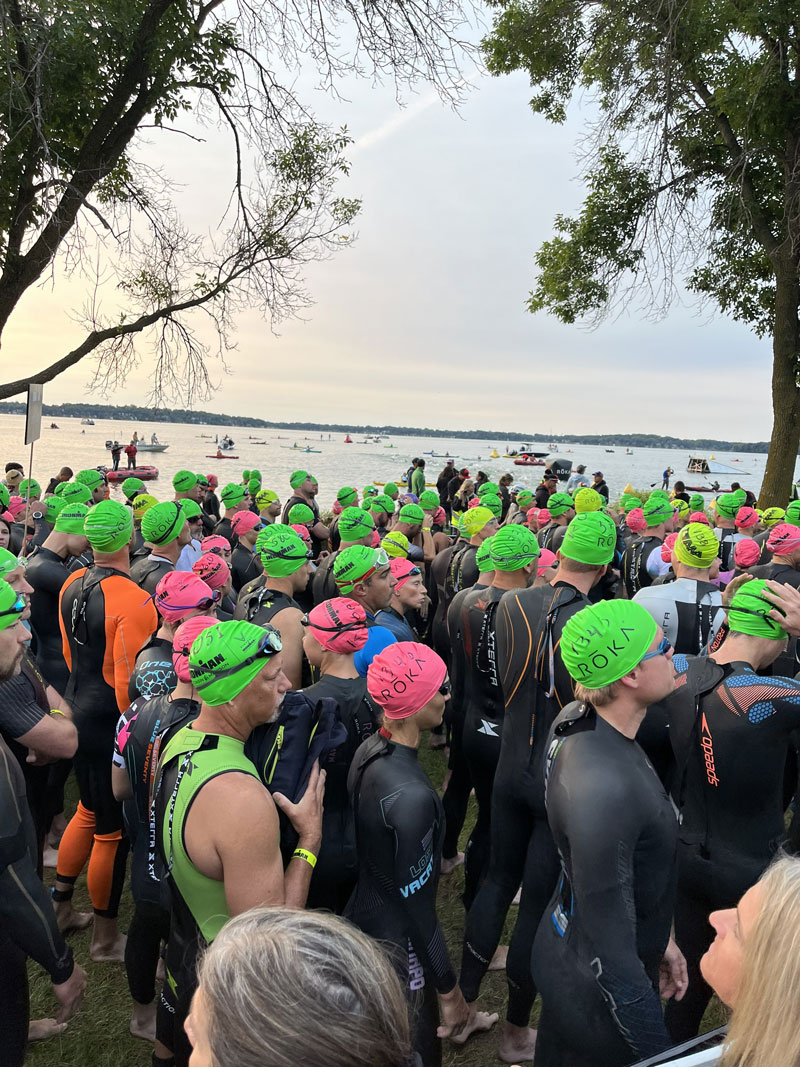
The Pull of the Next Challenge
Endurance athletes are often drawn back not because they forget how hard it was, but because they remember what the hard parts taught them. They start to wonder what would happen with better pacing, smarter fueling, more strength work, or a calmer mindset.
The race becomes both an accomplishment and a question: What else am I capable of?
That question is powerful. It is the reason someone can finish an Ironman swearing they will never return, then find themselves researching another course a week later. It is the reason marathoners say they are retiring from the distance, only to start thinking about a comeback race once their legs feel normal again. The next event is not always about chasing a medal. Sometimes it is about chasing growth.
Why We Come Back
There is something deeply human about wanting to test ourselves. Endurance racing gives athletes a clear goal, a structured path, and a finish line that proves effort can become achievement. It also offers community: the training partners, volunteers, spectators, family members, and other athletes who understand what it took to get there.
The return to racing is rarely logical in the immediate aftermath. It is emotional, personal, and sometimes surprising. The athlete does not come back because the race was easy. They come back because it mattered. They come back because the experience changed them. They come back because, after the exhaustion fades, what remains is not just pain—it is proof.
The Promise Was Real—So Is the Comeback
When an athlete says, “I am never doing this again,” it is worth believing them for that moment. They are tired. They are drained. They have earned the right to want nothing more than a shower, a meal, and a long rest. But it is also worth knowing that the human spirit has a way of recovering faster than we expect.
A few days later, once the body softens and the mind catches up, the same athlete may begin to feel the spark again. Not because they forgot the suffering, but because they understand it differently. The race becomes a chapter, not an ending. And eventually, quietly at first, the next challenge starts calling.
Are you ready to see what else you are capable of?
Your next challenge is calling, and I have a few spots left on my roster for 2027. Let’s plot the path to your next finish line together.