
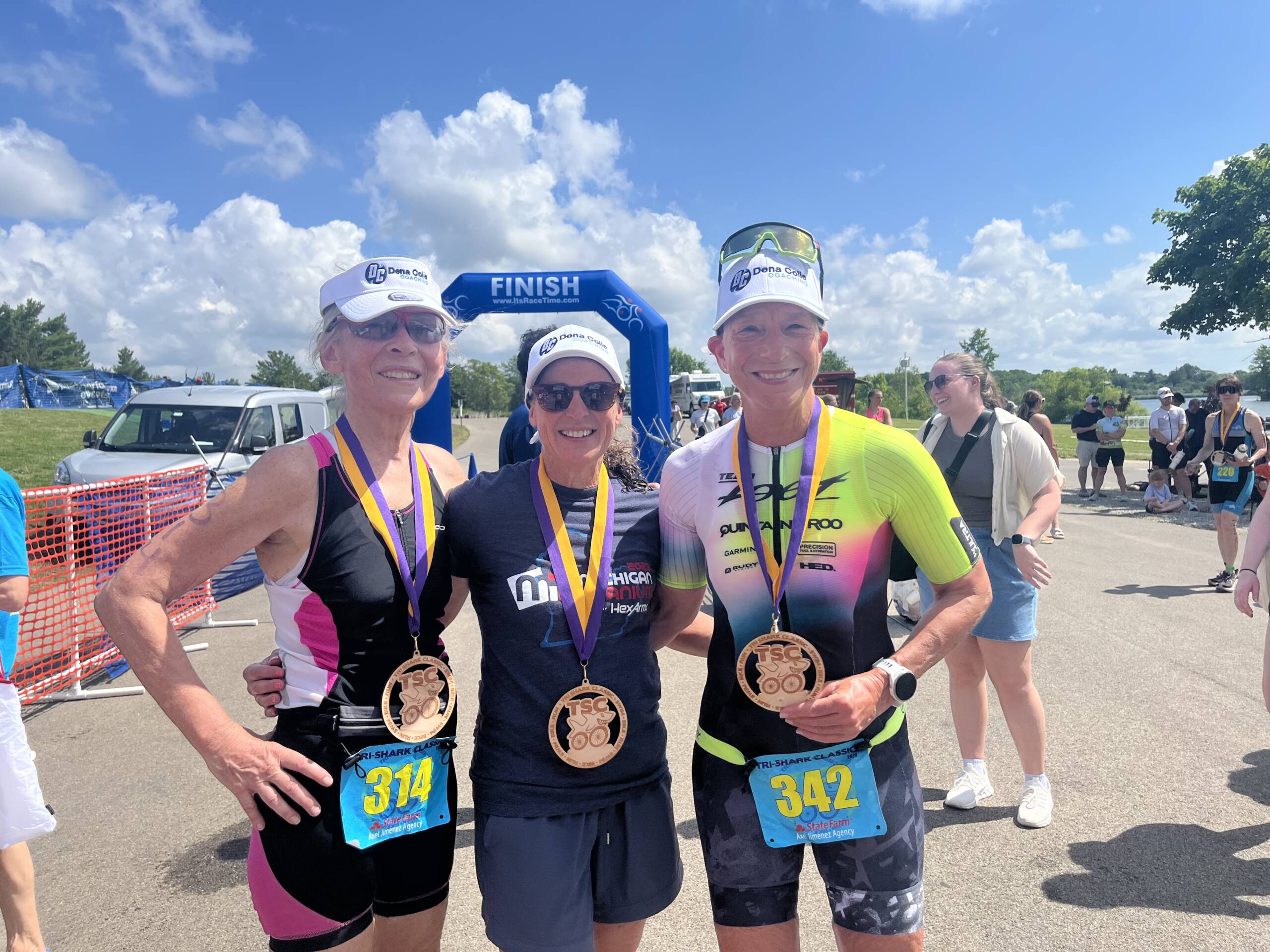
My Triathlon Journey
I came to triathlon at 40, starting with short-course races and the uncertainty of being a beginner. Learning to balance three disciplines gave me a new challenge and showed me how satisfying steady progress could be. I had not grown up thinking of myself as a triathlete, and I did not need a lifetime of athletic experience behind me. I needed a goal, a willingness to learn, and enough courage to stand at the start line.
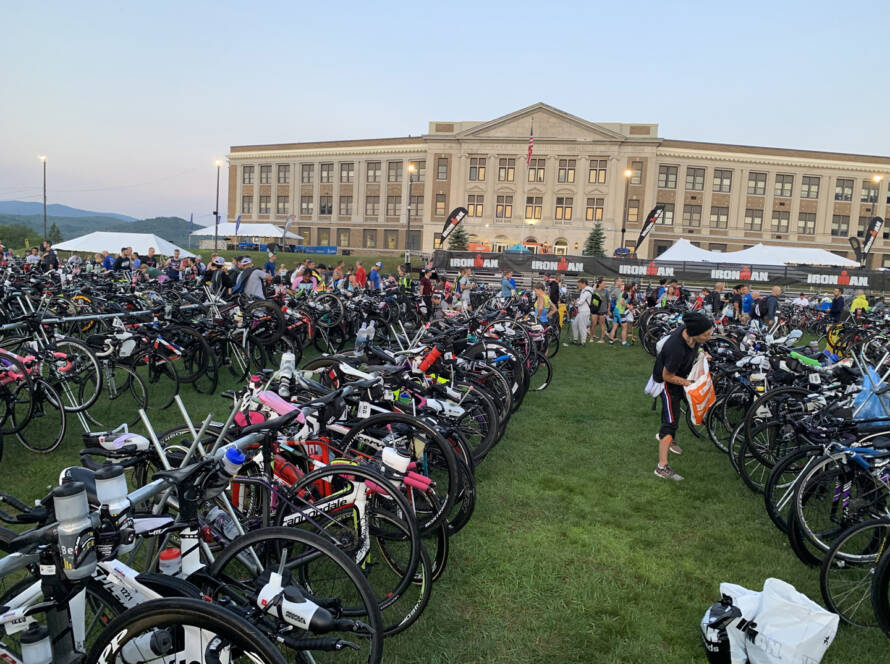
In my 50s, I expanded that vision and completed my first Ironman. The finish line mattered, but so did the years of choice that carried me there: moving from short-course racing to training for a distance I once might not have imagined for myself. The experience tested my endurance, but it also changed my understanding of what was possible. I learned that age does not have to narrow our goals; with time, patience, and perspective, it can give them greater meaning.
Now, in my 60s, I am still a competitive athlete, but competition means something different to me than it once did. It keeps me engaged and gives shape to my training, yet it is not only about comparing myself with others. I set goals that fit the athlete I am today, adjust when my body or circumstances ask me to, and remain curious about what I can accomplish in this chapter of my life. My definition of success continues to evolve, while the satisfaction of pursuing a challenge remains as strong as ever.
Why Triathlon Fits a Lifetime
Those decades in the sport have taught me that longevity is built less through dramatic breakthroughs than through repeated adjustments. The principles that follow are not shortcuts or guarantees; they are the habits that have helped me continue training, racing, and setting meaningful goals as the athlete I am today.
What has kept me in triathlons is its variety. Swimming develops technique, breath control, and low-impact aerobic fitness. Cycling builds endurance while reducing the pounding associated with running. Running strengthens bones and preserves the simple freedom of traveling on foot. Together, the three sports give me options: when one discipline needs to be reduced, another can often carry more of the training load.
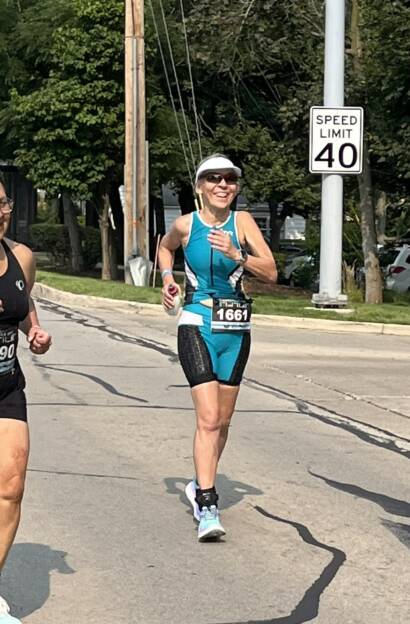
Triathlon has also strengthened qualities that matter to me beyond race day. Consistency gives my days structure. Transitions remind me to adapt. Long sessions continue to teach me patience. Clubs, training partners, volunteers, and familiar faces at local races provide connection. A finish line gives me a goal, but the deeper reward is a life organized around movement and shared purpose.
The Goal Is Adaptation, Not Defiance
Aging has changed how I train, but it has not erased my ability to improve. Aerobic capacity, muscle mass, mobility, and recovery can change over time, particularly when they are neglected. I have learned that the durable response is attention rather than denial: individualize the training, become more deliberate about recovery, and resist the temptation to copy someone else’s schedule.
This is not “giving in” to age. It is the same skill every good athlete uses absorb feedback, adjust the plan, and keep moving forward. The smartest program is not the hardest one you can survive; it is the one you can repeat, recover from, and enjoy.
Race the Athlete You Are Today
Over time, I have come to rely on five principles that help me stay healthy, competitive, and connected to sport:
I have learned to compete well by choosing the challenge that fits the athlete I am today. A super-sprint or sprint can be every bit as meaningful as a long-course event. Shorter races may allow more frequent competition, faster recovery, and a greater focus on skill and speed. Longer events can remain rewarding when preparation, health, and available time support them. Distance is not a measure of seriousness; the right race is the one that keeps the challenge meaningful and sustainable. 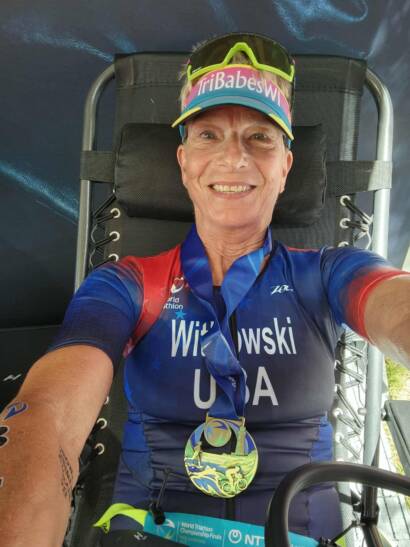
The benchmarks that matter to me now keep the sport relevant: smoother swim form, steadier pacing, improved bike handling, a stronger final kilometer, better fueling, and arriving at race morning healthy. Personal records are still exciting, but I have learned to recognize personal bests in judgment, resilience, and joy as well.
Keep Showing Up
Longevity in triathlon is built through thousands of ordinary choices. I have learned to stop a workout before fatigue becomes injury, do the strength session when another set of miles would be easier, keep working on my stroke, honor a rest day, choose races that still excite me, and begin again after a setback. My journey—from short-course racing at 40, to completing my first Ironman in my 50s, to competing and setting new goals in my 60s—has taught me that the athlete who lasts is not always the one who trains the most. It is the one who keeps listening, learning, and adapting.
Are you ready to keep showing up?
I have the knowledge to help you play the long game in sport. Book a call to learn how I can help you. I have a few 2027 roster spots available.
1 Comment
dean@deansearch.com
Good stuff Dena